
Fenugreek is a familiar item in Moroccan homes; here is its traditional use, how to use it and the precautions.
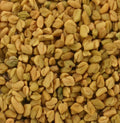
Fenugreek (الحلبة)
Fenugreek goes into rfissa and other dishes; ground, it is used in traditional hair masks.
How to use: A pinch in cooking, or a little as a light infusion.
How to add fenugreek to your recipes
- In a tagine: a pinch with onion and olive oil at the start of cooking.
- Write down the recipe and amount you like so you can repeat the same taste.
- Start with a small amount and try fenugreek in one recipe before making it a habit.
- At family gatherings, fenugreek can be served with tea or a traditional breakfast.
Quality and storage: fenugreek
- Choose a product with a clear origin and a label showing ingredients, size and date.
- A natural smell and colour are good signs; avoid anything that smells off or looks damp.
- Keep fenugreek in an airtight container away from light, heat and moisture.
- Always use a clean, dry spoon.
- Buy enough for a few weeks so it stays fresh and fragrant.
Fenugreek, then and now
- In the souks of Fes, Marrakech and Essaouira, the attar (herbalist-grocer) displays herbs, spices and oils in sacks and bottles.
- Fenugreek is one of the products Moroccans have known for generations, with ways of using it passed down in families.
- Names vary by region, between Arabic, Amazigh and Darija, but the customs are similar.
- Today the same traditional products come with clear labels and home delivery.
General precautions
- Moderation first; herbs do not replace a varied diet.
- Pregnant or breastfeeding women, children and anyone on medication: ask a doctor first.
- Patch-test oils and skin products on a small area; avoid the eyes.
- Store cool and dry, out of reach of children.
General, traditional information only; not medical advice.
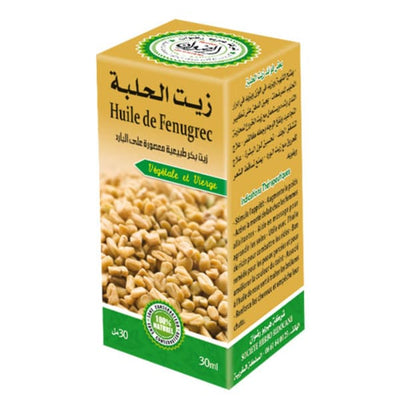
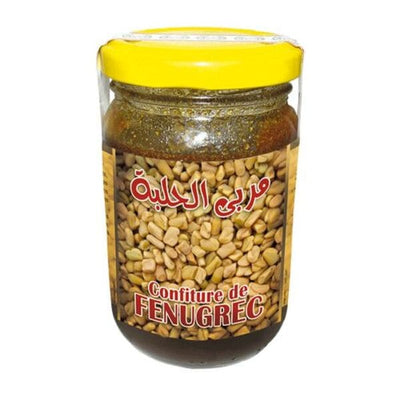
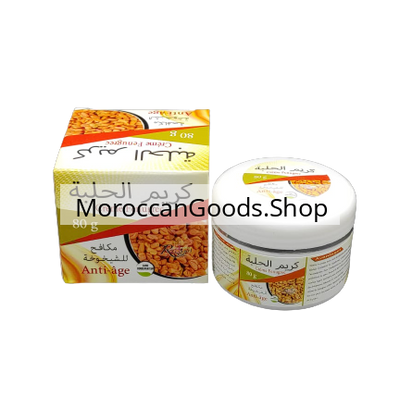
Products from our shop
Cash on delivery across Morocco, delivery in 24–72 h, free from €13.75. Offer: 10% off 2 products, 15% off 3 or more.
Explore more: Natural herbs and spices · Packs & offers